
2nd International Conference on Advancement in Healthcare Technology and Biomedical Engineering (AHTBE 26)
University Canada West (UCW), Vancouver, BC, Canada
August 21-22, 2026 – Hybrid Mode (Online & in Person)

Important Dates
Abstract Submission
April 25, 2026 (Extended)
Full Paper Submission
April 25, 2026 (Extended)
Notification of Decision
Three weeks of submission
Registration Deadline
April 30, 2026 (Early Bird)
Research Poster Submission
May 20, 2026 (OPEN)
Camera-Ready Submission
May 15, 2026 (OPEN)
Technical Sponsors

University Canada West,
Vancouver, Canada

University of Minnesota Crookston, United States

Thompson Rivers University, Kamloops, Canada

Superior University
Lahore, Pakistan
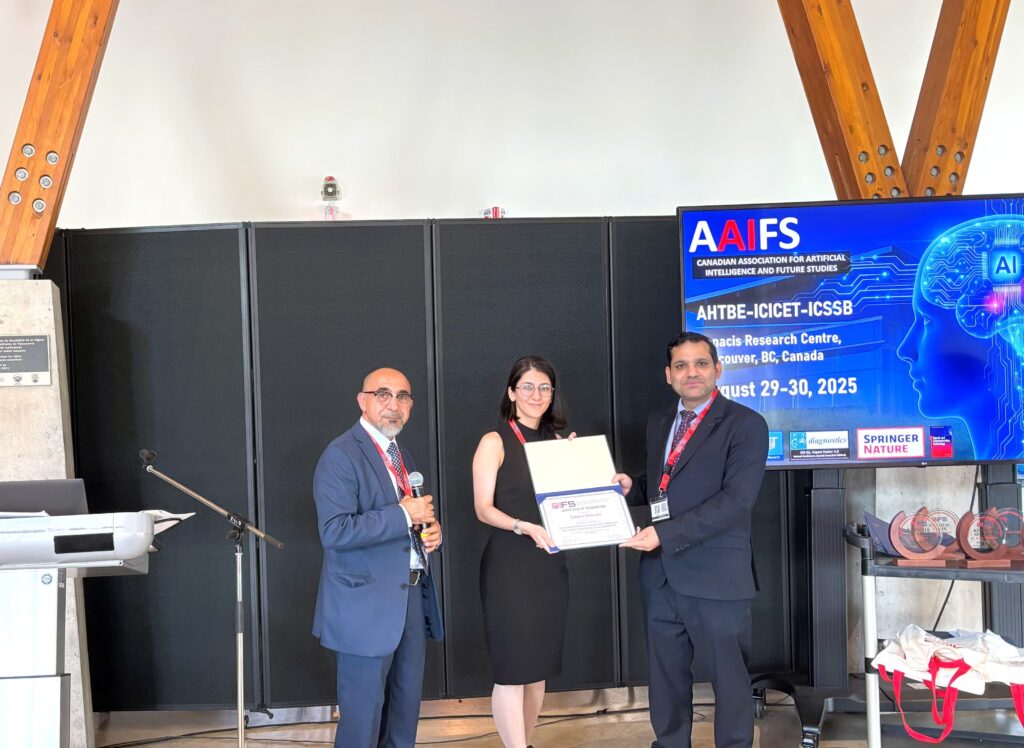
100+ participants from 23 countries attended the conference in Vancouver (August 29-30, 2025).
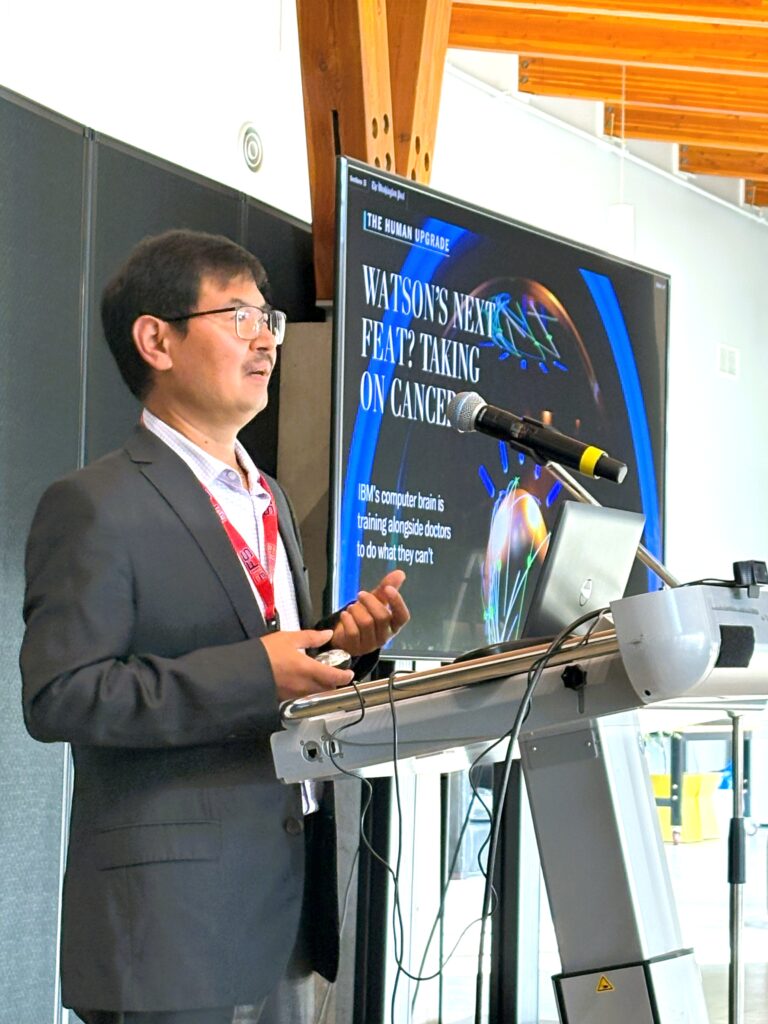
5 speakers from diverse backgrounds delivered their speeches at the conference.

Received 165 papers; 75 were accepted for presentation after a careful review process.
Past Event: AHTBE 2025 Photo Gallery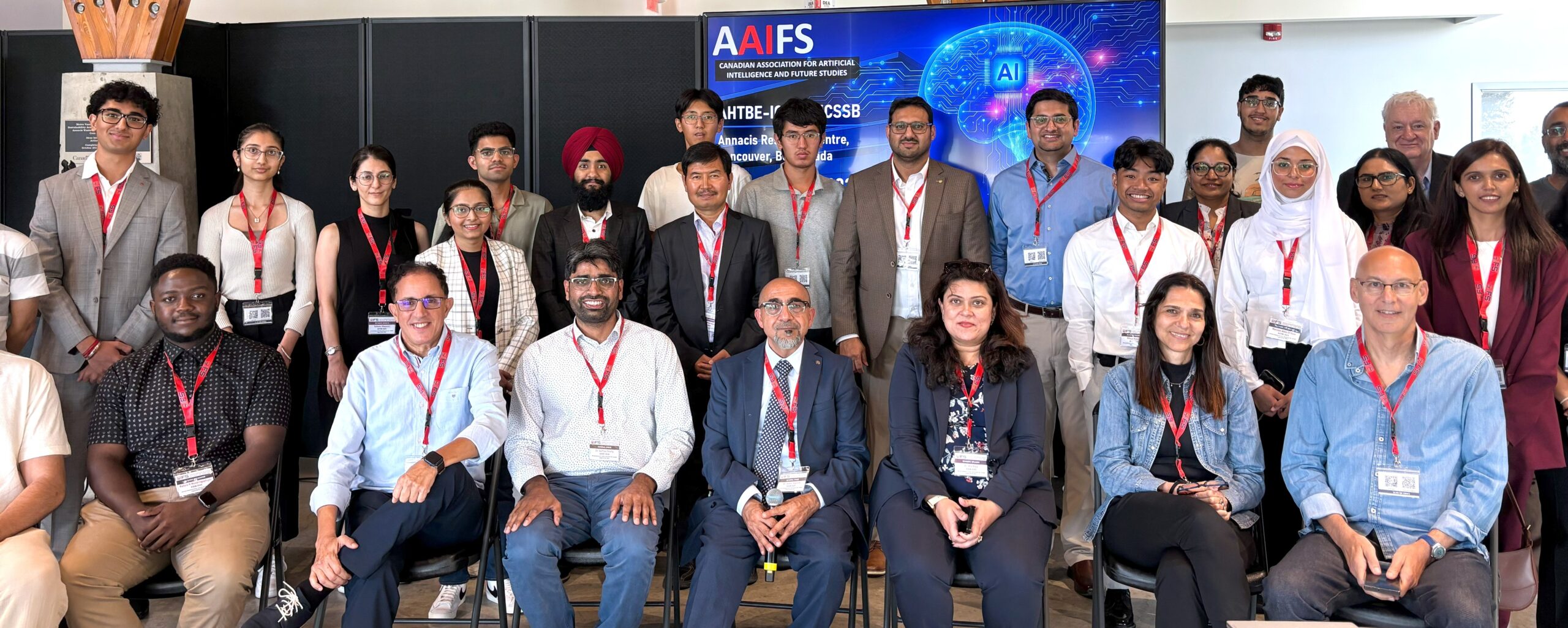
We are happy to share that MDPI Diagnostics Journal and Canadian Association for Artificial Intelligence and Future Studies (AAIFS.ORG)
will be sponsoring cash prizes and certificates for the 3 Best Papers
Financial & Publication Partners

Canadian Association for AI and Future Studies (non-profit)

Open Access Journal Publications

Microsoft CMT
Management System

Inspire Academic Press, Canada
Welcome to AHTBE 26
We are excited to invite researchers, academicians, industry professionals, and students to participate in the 2nd International Conference on Advancement in Healthcare Technology and Biomedical Engineering (AHTBE 26) will be held in Vancouver, BC, Canada on August 21-22, 2026. This forum aims to bring together experts to discuss the latest innovations, challenges, and future directions in healthcare technology and biomedical engineering. The conference will provide a platform for the dissemination of cutting-edge research, fostering collaboration among researchers, practitioners, and policymakers from around the globe.
We encourage submissions of original research, case studies, and review articles addressing the conference’s tracks and topics, visit the Call for Papers page to get more details about tracks and topics. Join us as we explore how technology and engineering are shaping the future of healthcare. All the accepted and presented papers will be published in the Scopus Indexed Proceedings.
Aims & Objectives
The AHTBE 26 aims to serve as a leading global platform for researchers, academicians, industry professionals, and students to share and discuss the latest advancements in healthcare technology and biomedical engineering. The conference seeks to bridge the gap between research and practical implementation, fostering interdisciplinary collaboration and knowledge exchange.
The key objectives of AHTBE 26 include:
- Showcasing cutting-edge research and breakthroughs in healthcare technology and biomedical engineering.
- Addressing challenges and emerging trends in AI in healthcare, bioinformatics, imaging, and wearable devices.
- Facilitating collaboration between academia, industry, and policymakers to drive innovation in the healthcare sector.
- Providing a platform for researchers to publish high-impact work and increase their visibility through indexed proceedings.
- Promoting discussions on ethical considerations, regulatory policies, and the future of AI and digital health transformation.
Conference Tracks
Track 1: Biomedical Imaging and Signal Processing
• Medical Image Classification
• Medical Image Segmentation
• Image reconstruction and enhancement
• Medical imaging modalities (MRI, CT, etc.)
• Signal processing (EEG, ECG, EMG, etc.)
• AI applications in medical imaging
• Optical imaging and spectroscopy
• 3D/4D imaging technologies
• Data fusion and multi-modality imaging
• Image-guided interventions
Track 2: Artificial Intelligence and Machine Learning in Healthcare
• AI-driven diagnostics and predictive analytics
• Machine learning for personalized medicine
• Natural language processing for medical data
• Explainable AI in healthcare
• AI applications in drug discovery
• Deep learning for medical image analysis
• Decision support systems
• Ethics and bias in AI for healthcare
Track 3: Healthcare Robotics and Automation
• Robotic-assisted surgery
• Rehabilitation robotics
• AI-driven robotic systems in healthcare
• Autonomous robots for elderly care
• Wearable robotic exoskeletons
• Human-robot interaction in healthcare
• Sensor integration in healthcare robotics
• Automation in hospital logistics
Track 4: Wearable and Implantable Devices
• Biosensors for health monitoring
• Implantable medical devices (pacemakers, neurostimulators)
• Smart wearable technologies
• Energy harvesting for medical implants
• Wireless health monitoring systems
• Internet of Medical Things (IoMT)
• Challenges in biocompatibility and material design
• Device regulation and safety
Track 5: Telemedicine
and e-Health
• Advances in telehealth platforms
• Mobile health applications
• Remote monitoring technologies
• Security and privacy in e-health systems
• Blockchain applications in telemedicine
• Digital health interventions for chronic diseases
• Remote surgical systems
• Accessibility and usability of telemedicine solutions
Track 6: Biomedical Materials and Tissue Engineering
• Biomaterials for implants and prosthetics
• 3D bioprinting and tissue scaffolds
• Nanotechnology in biomaterials
• Regenerative medicine and stem cell therapies
• Biodegradable materials in healthcare
• Drug delivery systems using biomaterials
• Mechanical properties of biomedical materials
• Biocompatibility and regulatory challenges
Track 7: Healthcare Data Analytics and Management
• Big data in healthcare
• Data interoperability in electronic health records
• Predictive modeling for population health
• Real-time analytics for clinical decision-making
• Data visualization in healthcare
• Privacy-preserving data analytics
• Challenges in managing unstructured medical data
• Cloud-based healthcare systems
Track 8: AI Assistive Technologies
• Advanced prosthetics and orthotics
• Neurological rehabilitation technologies
• Virtual reality for physical therapy
• Brain-computer interfaces for rehabilitation
• Cognitive rehabilitation tools
• Smart assistive devices for the elderly
• Gamification in rehabilitation
• Evaluation of assistive technology outcomes
Track 9: Clinical Nursing, Leadership, and Healthcare Quality
• Continuing Medical and Nursing Education
• Advanced Nursing Practice and Clinical Leadership
• Critical Care and Emergency Nursing
• Community and Public Health Nursing
• Geriatric Nursing and Aging Care
• Women’s Health and Reproductive Care
• Infection Prevention and Control in Nursing Practice
• Nursing Education, Simulation, and Professional Development
Track 10: Clinical Best Practices in Healthcare
• Primary Care and Family Medicine
• Internal Medicine and Multidisciplinary Care
• Emergency Medicine and Acute Care
• Clinical Ethics and Professional Practice
• Chronic Disease & Long-Term Care
• Patient Safety, Quality Improvement, and Risk Management
• Clinical Guidelines, Protocols, and Best Practices
• Patient Communication, Empathy, and Shared Decision-Making
Track 11: Health Education, Policy, and Innovation
• Smart Hospitals and Healthcare Infrastructure
• Healthcare Cybersecurity and Data Privacy
• Policy, and Governance in Healthcare Tech
• Genomics, Proteomics, and Bioinformatics
• Patient-Centered Care and Design
• Health Economics, Outcomes Research, and Value-Based Care
• Virtual Reality Augmented Reality in Medicine
• Healthcare Education, Training, and Simulation Technologies
• Sustainable Healthcare and Green Tech

Dr. Runna Alghazo
Education, Health, and Behavior Studies, University of North Dakota, United States
Check more details

To join as a keynote speaker or obtain conference sponsorship, please contact the Conference General Chair.

Conference Proceedings
We are happy to share that all the accepted and presented full papers will be published in the indexed Proceedings.
Furthermore, extended versions of all the conference papers after the publication of the proceedings are cordially invited to be submitted to Diagnostics Journal (ISSN 2075-4418, IF: 3.3) with an additional 20% discount on the Article Processing Charge of 2600 CHF for our special issue “3rd Edition: AI/ML-Based Medical Image Processing and Analysis” in Diagnostics (ISSN 2075-4418, IF: 3.0).

© AHTBE 2024-2026, All Rights Reserved